The Container Moment for Portable Verified Data
Why Standards Alone Are Not Enough
Every major economic expansion has followed the same pattern: reduce the cost of moving something important.
Roads reduced the cost of moving goods across land.
Railways connected national markets.
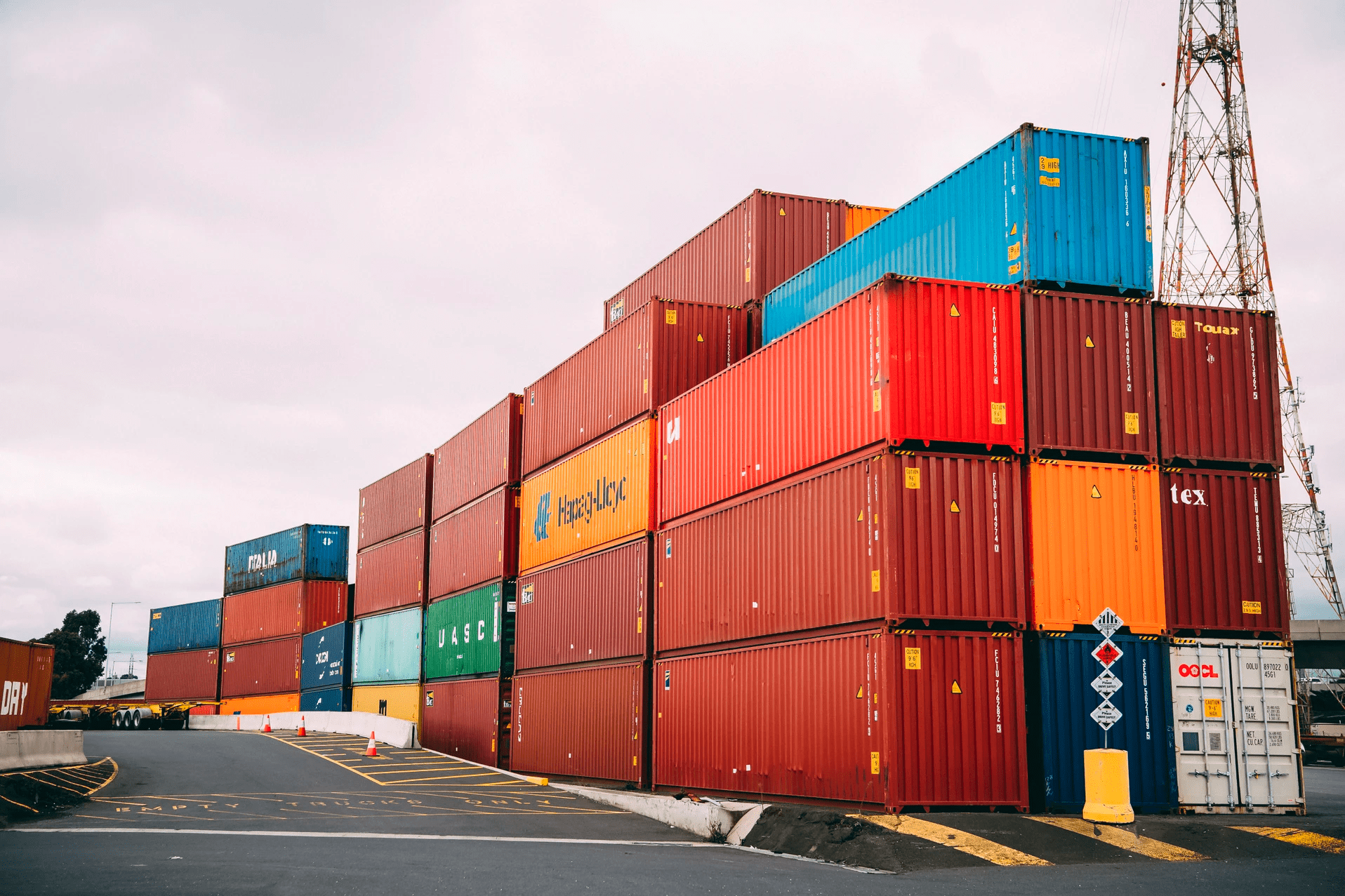
Shipping containers standardised global trade.
The internet standardised information exchange.
In each case, standards reduced friction and unlocked scale.
Today we face a similar opportunity with portable verified information.
Credentials, financial data, permissions, reputation signals, and identity attributes all exist. But they are locked inside organisational silos. Moving verified information between systems remains expensive and complex.
Many initiatives have therefore focused on standardisation.
And indeed, there are now many standards: identity frameworks, verifiable credentials, APIs, data schemas, and interoperability protocols designed to move trusted information between organisations.
But despite this progress, the cost and complexity of moving verified information remains high.
Why?
Because standards alone are not enough.
The Hidden Problem: Legal Complexity
When verified information moves directly between organisations, something more complicated than technology enters the picture: legal responsibility.
Every exchange raises questions:
Who owns the data?
Who has the right to share it?
Who is responsible if it is wrong?
Who must store it?
Who can revoke access?
Who is liable if it is misused?
If organisations pass personal or sensitive information between each other, every transfer creates new legal relationships — contracts, compliance obligations, liability frameworks, and consent management.
Complexity multiplies with every new participant.
In other words, the cost of moving trust does not collapse.
Why Self-Custody Changes the Equation
Self-custody fundamentally simplifies this model.
Instead of organisations exchanging personal or sensitive data between themselves, individuals hold their own verified information and act as the authority for when and how it is shared.
Organisations issue verified data.
Individuals hold it.
Other organisations verify it when needed.
This shift changes the legal structure dramatically:
Ownership and control are clear — the individual holds the data.
The individual acts as the authority for sharing — organisations can rely on the user’s explicit authorization.
Consent is explicit and auditable — sharing happens under the user’s control.
Liability becomes clearer — issuers are responsible for the truth of what they issue.
Data storage burdens shrink — organisations no longer need to store large amounts of personal data unnecessarily.
In effect, self-custody turns the individual into the transport authority for verified data between organisations.
Just as shipping containers separated cargo from the ships, ports, and trucks that carried it, self-custody separates verified information from the institutions that issue or consume it.
Standards + Self-Custody = Cost Collapse
Standards are still essential.
They define how verified information is structured, signed, transmitted, and verified.
But without self-custody, standards alone still leave organisations entangled in complex legal and operational relationships.
Self-custody provides the missing piece: a clear locus of control and authority.
When verified information is:
standardised
portable
self-custodied
the cost of moving trust begins to collapse.
What This Enables
When the cost of moving verified information drops, entirely new possibilities emerge:
frictionless onboarding across services
reusable credentials across industries
simpler regulatory compliance
reduced data storage risks
new data and reputation markets
In short, trust becomes portable infrastructure.
The Real Infrastructure Shift
The next wave of digital infrastructure will not be built simply on better APIs or more standards.
It will be built on portable, self-custodied verified information that can move safely between systems without creating legal complexity.
Just as containerisation transformed global trade, the combination of standards and self-custody can transform how trust moves across the digital economy.
And when trust moves easily, entirely new markets become possible.